Waterspouts, landspouts, gustnadoes and dust devils
Not every whirl is a tornado. Here’s which ones are, and which ones only look like it.
Supercell tornadoes
Most tornadoes come from supercells: thunderstorms with a rotating updraft. NOAA NSSL: Types of tornadoes As few as 20 per cent of supercell thunderstorms actually produce a tornado. NOAA NSSL: Types of tornadoes
Lines of storms
Nearly 20% of tornadoes come from long lines of strong thunderstorms (called QLCS). These often happen late at night or early in the morning. NOAA NSSL: Types of tornadoes
Landspouts
A landspout is a tornado with a narrow, rope-like funnel that forms while the storm cloud is still growing. Its spin starts near the ground. NOAA NSSL: Types of tornadoes Landspouts and waterspouts usually do damage of EF2 or less. NOAA NSSL: Types of tornadoes
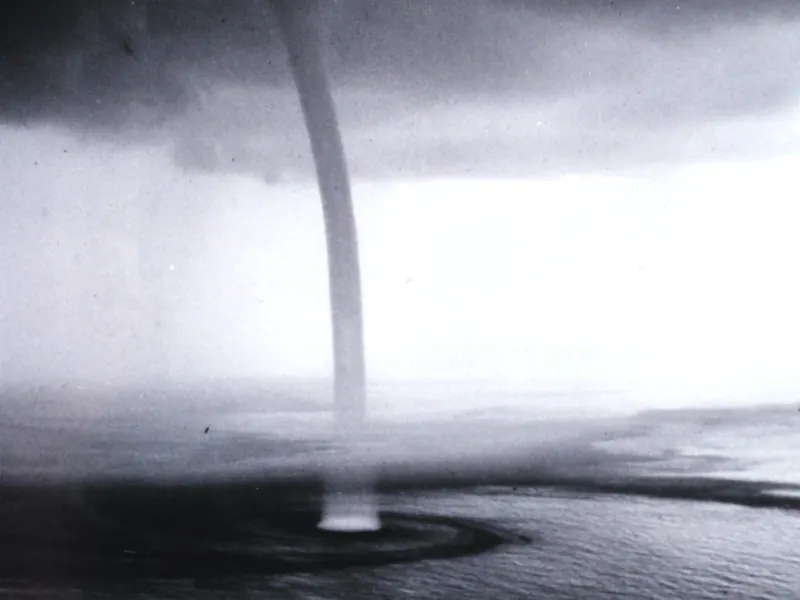
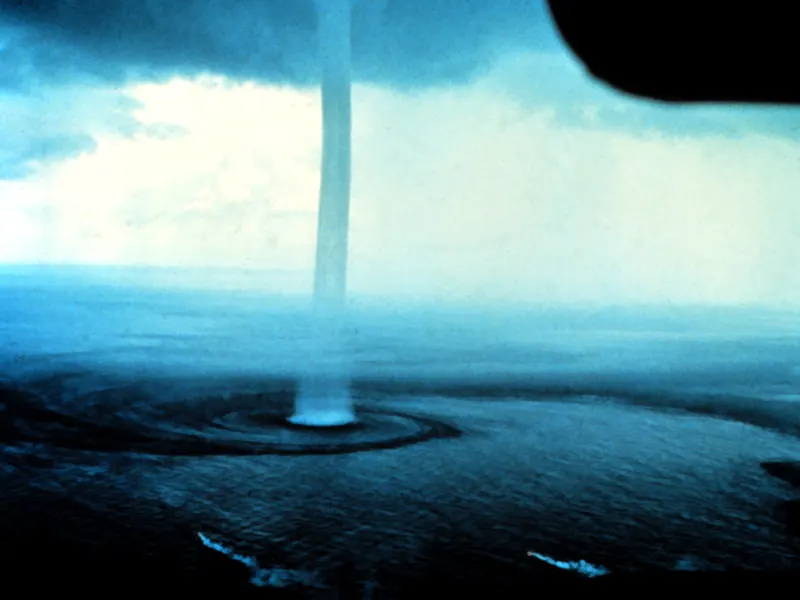
Waterspouts
A waterspout is a tornado over water. In US records, waterspouts only count as tornadoes if they reach land. NOAA Storm Prediction Center: The online tornado FAQ
Gustnadoes
A gustnado is a small, usually weak whirl in the gusty wind blowing out of a thunderstorm. It isn’t joined to the cloud above, so it isn’t a tornado. NOAA NSSL: Tornado FAQ Gustnadoes can still break windows and branches, so keep away from them too. NOAA NSSL: Tornado FAQ
Dust devils and other whirlwinds
Dust devils are not tornadoes, even though they can do damage. NOAA Education: Tornadoes
TORRO calls dust devils, fire devils and eddies the “lesser whirlwinds”. They form from rising warm air or from wind flowing round obstacles, not from a storm cloud. TORRO: Whirlwinds
Tornadoes from hurricanes
Hurricanes often produce tornadoes. Hurricane Ivan in 2004 produced a record 118 tornadoes over three days. NOAA Storm Prediction Center: The online tornado FAQ