Watches, warnings and being ready
Tornadoes can form fast. Here’s what the words mean and what families are told to do, from NOAA and TORRO.
Watch or warning?
A tornado watch means tornadoes are possible in and near the area. Get ready and keep checking the news. NOAA NSSL: Tornado basics
A tornado watch typically lasts four to six hours. NOAA NSSL: Tornado forecasting
A tornado warning means a tornado has been reported by spotters or shown by radar. Take shelter now. NOAA NSSL: Tornado basics
In the USA, a tornado warning may come as a phone alert, sirens, TV and radio announcements, or NOAA Weather Radio. NOAA Education: Tornadoes
In the USA, the Storm Prediction Center issues tornado watches; local National Weather Service offices issue warnings. NOAA NSSL: Tornado FAQ
Plan ahead
Plan ahead: know where you would shelter at home, at school, at work and when you’re out. NOAA Education: Tornadoes Have a family tornado plan, and practise a tornado drill at least once a year. NOAA Storm Prediction Center: The online tornado FAQ
Flying debris is the biggest danger in a tornado. Keep thick coverings like a mattress, sleeping bags or blankets near your shelter. NOAA Storm Prediction Center: The online tornado FAQ
Where to go
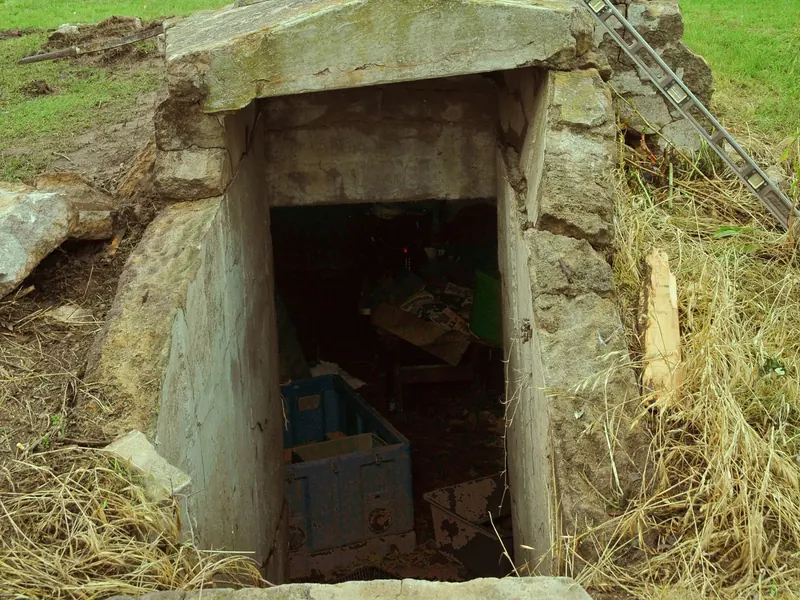
The best place in a building is the most interior room on the lowest floor, with no windows: below ground if possible. NOAA Education: Tornadoes
Wherever you are, protect your head with your hands and anything handy, such as a coat, book or pillow. NOAA Education: Tornadoes
A mobile home is not a good place to shelter. Pick a nearby sturdy building you can get to quickly. NOAA Education: Tornadoes Mobile homes don’t attract tornadoes. They’re just much easier for wind to damage than well-built houses. NOAA Storm Prediction Center: The online tornado FAQ
Don’t open windows to “equalise pressure”. It wastes precious time and you could be hurt by flying glass. NOAA Storm Prediction Center: The online tornado FAQ
Out and about
Cars are easily tossed by tornadoes. Leave the car for a sturdy building if you can. If not, lie flat in a low spot away from the road. NOAA Storm Prediction Center: The online tornado FAQ
TORRO’s advice is the same in the UK: don’t try to outrun a tornado in a car; shelter in a solid building, or lie flat in a ditch if you’re caught in the open. TORRO: Media information
Never shelter under a motorway bridge. The wind can speed up there and flying debris is blasted underneath. NOAA Storm Prediction Center: The online tornado FAQ
If you’re outside and can’t get indoors, lie flat in a ditch or low spot in the ground. NOAA Education: Tornadoes
The signs
Signs of a tornado include strong, lasting rotation in the cloud base, whirling dust or debris on the ground, and a loud, continuous roar that doesn’t fade like thunder. NOAA Storm Prediction Center: The online tornado FAQ
A tornado can touch the ground without a full funnel. Sometimes the only sign is whirling dust or debris. NOAA NSSL: Tornado basics
After the tornado
After a tornado, stay out of badly damaged buildings until fire officials or an engineer have checked them. NOAA Storm Prediction Center: The online tornado FAQ
Test yourself: Tornado Ready Dash →
This page explains general advice from NOAA and TORRO. In a real storm, follow your national weather service (the Met Office in the UK, the National Weather Service in the USA) and local officials.